Computer Vision for Enterprise Operations.
Trinos builds vision systems that turn images, documents, video and physical environments into usable, structured business data.
What is Computer Vision?
Computer Vision uses AI to interpret images and video, detecting objects, identifying defects, extracting text, inspecting products and monitoring environments, and converts what it sees into structured data for your systems. For operations teams, it turns visual inspection and document capture into measurable digital workflows.
What we deliver
Real-Time Defect Detection
High-speed visual inspection on production and quality lines, flagging defects, missing parts and deviations with image evidence.
OCR & Document Vision
Text extracted from documents, labels, IDs and shipping forms, flowing into ERP, CRM or workflow systems with far less manual entry.
Object Detection & Tracking
Detect, count and track movement across physical workflows for inventory visibility, asset movement and safety checks.
Edge Vision Deployment
Local inference on edge devices where latency, privacy or connectivity constraints matter.
Case Study & results
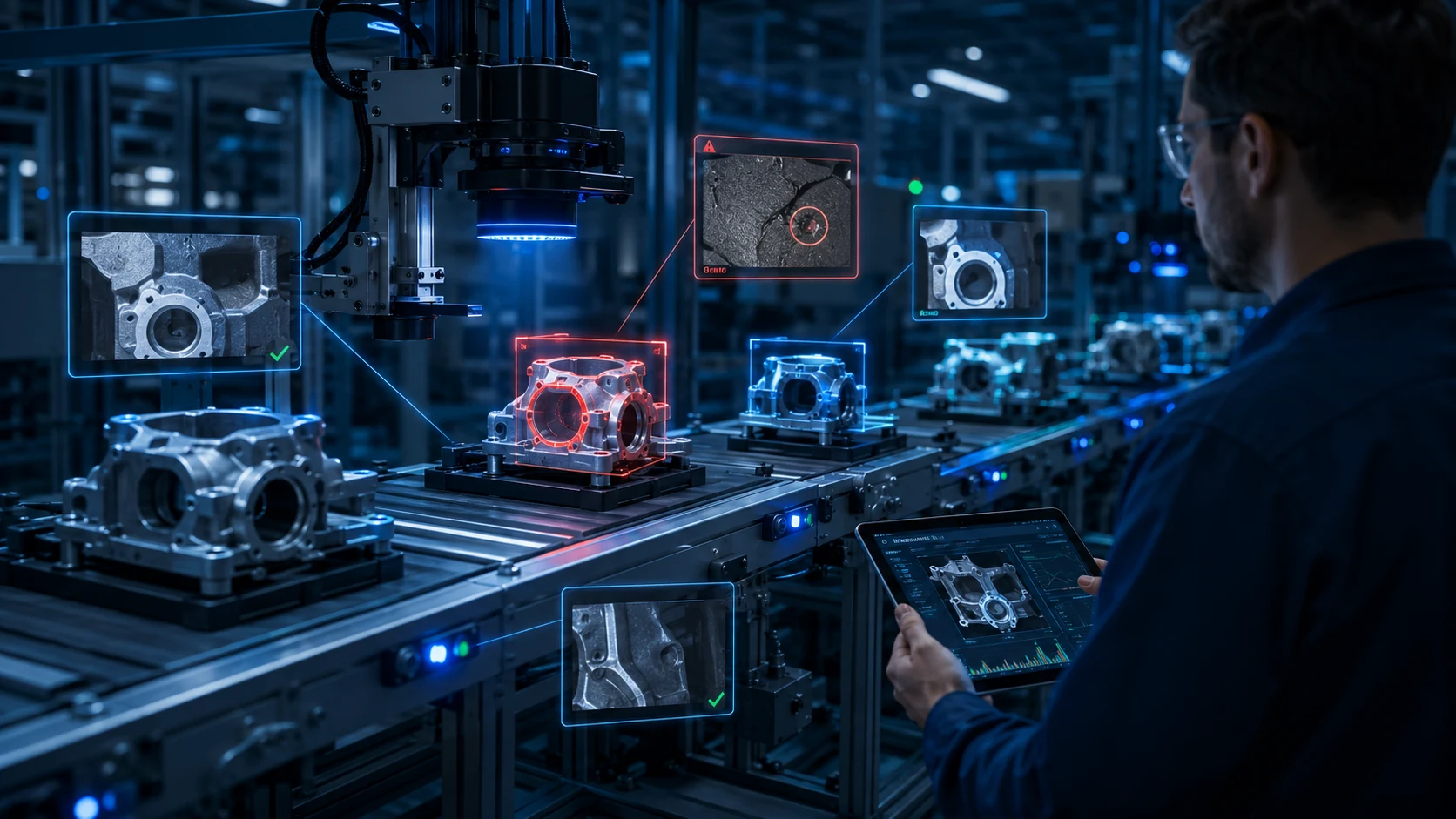
Manufacturing Quality Control
Cameras catch defects, surface issues and missing parts on the line, giving quality teams faster alerts and better evidence than manual records.
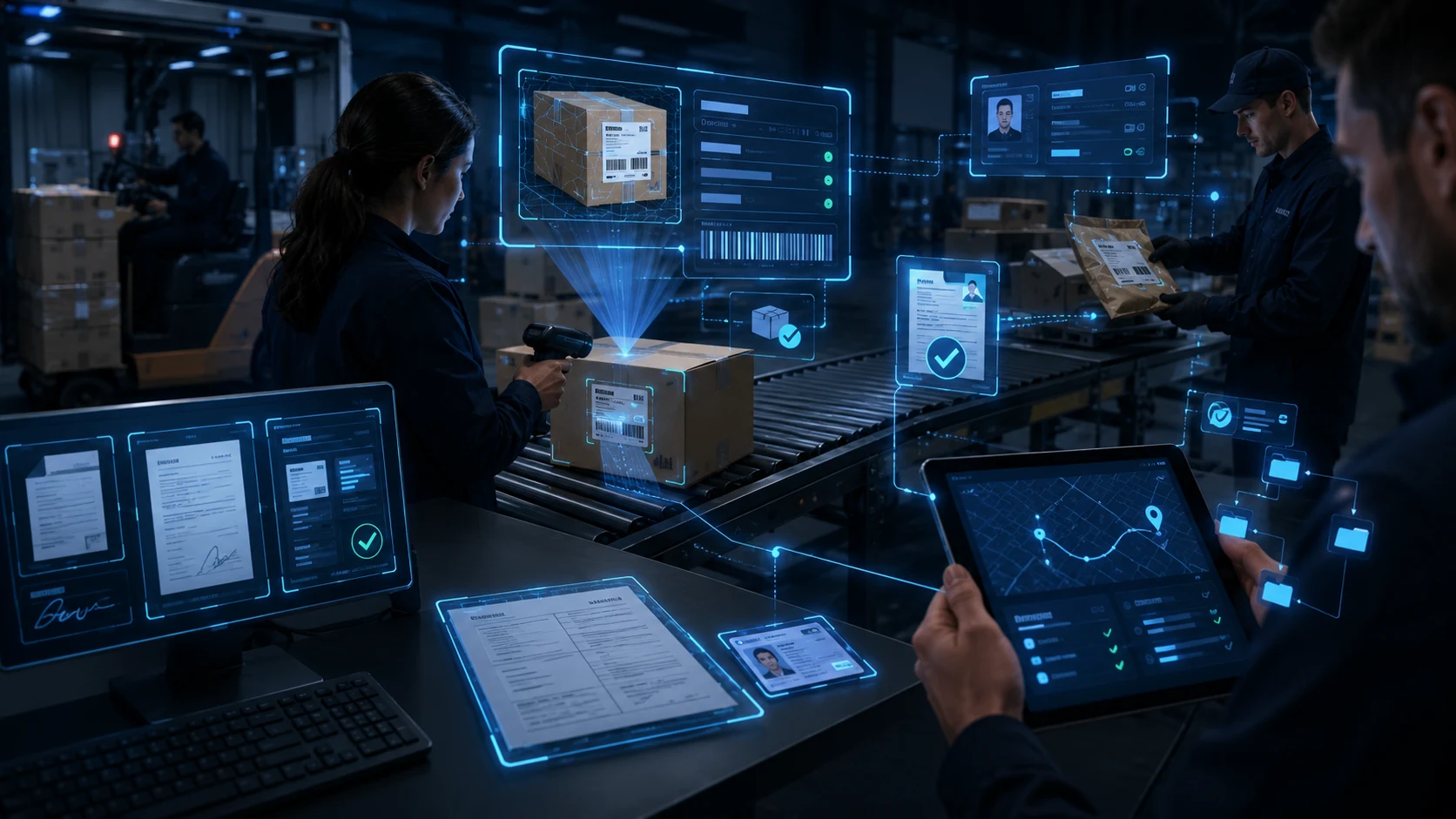
Logistics & Document Operations
OCR and image recognition digitize labels, packages, documents and IDs across receiving, dispatch and compliance.
Visual inspection and document capture become faster, more consistent and easier to measure.
Built on a modern AI toolchain, applied across industries
The toolchain we work with
- OpenCV
- PyTorch
- YOLO
- TensorFlow
- NVIDIA Jetson
- Edge AI hardware
- OCR engines
- Camera integrations
Where this service is applied
- Manufacturing
- Logistics
- Automotive & engineering
- Healthcare
- Supply chain
- Government
Frequently asked questions
Yes. Trinos builds real time video pipelines for inspection, monitoring, tracking and operational visibility. Frame rate, resolution and latency are planned around the use case and hardware environment.
Lighting can affect accuracy, so we account for it through training data, calibration and confidence based fallback logic. We also evaluate camera placement and image quality before deployment.
Yes. Models can be updated with new examples and validated through a controlled retraining process. This helps the system stay useful as products, materials or inspection rules change.
Plan Computer Vision for Your Operations
We'll assess your cameras, image data, hardware and workflow needs for a practical computer-vision roadmap.